
Last updated: September 19, 2016

Genome Advance of the Month

Archived Page
This page has been archived and is provided for historical reference purposes only. The content and links are no longer maintained and may now be outdated.Genome Advance of the Month
Genomics has become a fast-moving field, with findings pouring out of labs all over the world. Each month, the National Human Genome Research Institute will highlight what it considers the coolest genomic advances, broadly defined, of the previous month.
2016
February: Schizophrenia: Ancient scrolls, genomic sequencing and synaptic pruning

February's Genome Advance of the Month describes a leap forward in understanding the heritability and progression of schizophrenia in a study by researchers at Harvard Medical School and the Broad Institute. The study, published in the February 11, 2016 issue of Nature, signals the potential for research using large numbers of whole genome sequences, innovative biological methods and advanced software toolkits for analysis. Read more
2015
December: The "bunny ear" hypothesis: How defective DNA looping may contribute to cancer
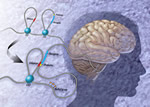
Your DNA forms thousands of loops, like those of a shoelace. Just as you learned to tie your shoes by forming separate "bunny ear" loops of string, your DNA forms many of these loops to create "genetic neighborhoods" within each bunny ear loop. These neighborhoods bring distant genes and specific gene control switches into close proximity. Genetic neighborhoods can be autonomous and remain separate from other neighborhoods. The December Genome Advance of the Month highlights a landmark study in Nature that describes what happens when two genetic neighborhoods merge in brain tumor cells. Read more
November: Gene-editing technology harnessed to protect plants from viruses
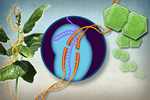
Scientists are using an exciting gene editing tool called CRISPR/Cas9 to protect plants from harmful DNA viruses. The CRISPR/Cas9 system has previously been adapted for use in many organisms, and this latest iteration develops gene-editing for use in plants. The November Genome Advance of the Month describes how these scientists inserted the code for an ancient bacterial immune system into a plant's genome to successfully strengthen the plant's protection against viruses. Featured in Genome Biology, this research represents a promising method for cultivating plants' resistance to harmful viruses. Read more
September: Women with inherited breast cancer risk face numerous challenges

September's Genome Advance of the Month spotlights a Swiss study on women who are at increased risk for inherited breast cancer and the long term challenges they face in managing their care. It also identifies some of the challenges of providing care to at-risk individuals and highlights opportunities for improved models of care. The study is published in Genetics in Medicine. Read more
August: Gene-editing technology uncovers genetic link to infertility

Infertility - difficulty getting or staying pregnant - can come at a high financial and emotional cost, affecting about 6 million women and 4 million men in the United States. About half of these cases could be due to genetic factors. Now, new research techniques are yielding insight into the genetic roots of infertility. The August Genome Advance of the Month looks at a study in the Proceedings of the National Academy of Sciences that addresses the complex genetics of infertility using genetic sleuthing and cutting-edge, gene-editing technology. Read more
July: Gene Therapy and the Biological Treatment of Hearing Loss
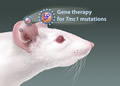
Ludwig von Beethoven suffered from deafness in his mid-twenties. To combat that hearing loss, the composer turned to the advanced technology of 1813 and commissioned his mechanically minded contemporaries to make ear trumpets to funnel and magnify sound. July's Genome Advance of the Month highlights a study in the journal Science Translational Medicine that demonstrated gene therapy as an effective way to improve hearing in patients with two genes linked to genetic prelingual deafness, or hearing loss that occurs before a child learns to speak. Read more
June: Gene-disease association data could improve drug development

Drug development is a risky business. More than half of candidate drugs that look promising in the research lab will ultimately fail. More than a quarter of drugs that reach the clinical trial stage will be rejected as ineffective. June's Genome Advance of the Month focuses on how drug development success rates could be improved by using known genetic associations to help choose research targets. Read more
May: Genomics holds promise of treatments for inherited blindness
 Millions of people worldwide suffer from diseases of the retina that cause partial or complete blindness. While there is no cure for retinal degenerative disease, there are several promising areas of research that aim to, at least, partially restore vision. May's Genome Advance of the Month focuses on two experimental therapeutic approaches - gene replacement therapy and optogenetics. Read more
April: Scientists discover insights into the effect of sun exposure on skin

Soaking up the sun may be positive while on vacation, but the effect on our skin isn't often kind, especially as we grow older. A study by Johns Hopkins scientists, featured in April's Genome Advance of the Month reveals the genomic information they found after comparing sun-exposed and sun-protected skin in younger and older individuals, and how skin changes with sun exposure and aging. Read more
March: Iceland study provides insights into disease, paves way for large-scale genomic studies

Iceland can conjure thoughts of geothermal spas and moonlike landscapes, but not large-scale genomic studies. Last month, a research team at deCODE genetics announced findings based on the whole genome sequence information of 2,636 Icelanders and the genotypic information of 104,220 other Icelanders. The March Genome Advance of the Month focuses on some interesting results published as a collection of papers in Nature Genetics. Read more
February: Scientists create a new "roadmap" for the human epigenome
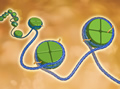
February's Genome Advance of the Month is about the Roadmap Epigenomics Project and its aim to catalog the epigenome of different human cell types. The epigenome consists of chemical compounds that modify the genome and tell it what to do. The project, which published its initial findings in the February 18 issue of Nature, hopes to increase our understanding of how the epigenome contributes to health as well as disease. Read more
January: CRISPR-Cas9 probes the inner workings of the genome in real time
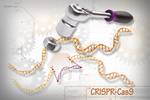
January's Genome Advance of the Month describes two studies, published in Nature and Nature Biotechnology, which examine several ways researchers are using CRISPR-Cas9, a new tool that studies the genome by changing specific genes or groups of genes. This research helps scientists understand the genome, a specific gene's role and its importance to our overall health. Read more
2014
December: Researchers detect cancer precursors in blood DNA before disease develops
 The December Genome Advance of the Month highlights a research team, led by Giulio Genovese, Ph.D., of the Broad Institute at MIT and Harvard in Boston, focusing on the precursors for blood cancers like leukemia, lymphoma and myeloma. In 2014, blood cancer accounted for approximately 9.4 percent of the estimated 1,665,540 new cancer cases diagnosed across the country. Read more
November: Researchers examine supercentenarians' genomes for longevity key
 In 2012, an American's average lifespan was nearly 79 years. By comparison, supercentenerians live to 110 years old or more - a life span far exceeding the rest of the population. A recent study led by Dr. Hinco J. Gierman at Stanford University sought genetic explanations for supercentenarians' longer life-span. Genome Advance of the Month highlights this research. Read more
October: Humans adapted to day-length by tuning their circadian "clocks"

New research has revealed that during migration, humans' biological clocks evolved to adapt to different environmental conditions. The October Genome Advance of the Month discusses a study by researchers in Italy who describe the genetic adaptation of the human circadian clock that was driven by day-length in various latitudes. Read more
September: Exploring harmful interactions between artificial sweeteners and gut microbiota
 Six types of non-caloric artificial sweeteners are approved by the U.S. Food and Drug Administration (FDA). These sugar substitutes are popular due to their minimal calorie content and low cost. But data on the benefits and risks of artificial sweeteners have been controversial. September's Genome Advance of the Month focuses on the potential risks of artificial sweeteners through a mechanism not yet deeply explored: the alteration of gut microbiota. Read more
August: Investigating the Genomic Origins of the 2014 Ebola Outbreak
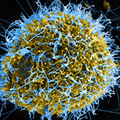 Since March of this year, the Ebola virus in West Africa has infected and killed thousands of people in the region and gripped the world's attention. Despite treatment and containment efforts, the epidemic persists with a fatality rate of a staggering 52 percent, according to the World Health Organization. In a study published in the August 28 online issue of Science, research scientists from Harvard University used genomic sequencing techniques to study the current outbreak's origin, transmission and relation to other outbreaks. Read more
July: Researchers examine disease-causing mutations in mitochondrial genomes
 The study of genetic disease has often centered on the human nuclear genome - where each cell has only one complete copy. In contrast, the other genome that resides within us, the mitochondrial genome, has received less attention. July's Genome Advance of the Month features a study in the July 22 issue of Proceedings of the National Academy of Sciences, which examined disease-causing mutations in the mitochondrial genomes of otherwise healthy people. Read more
June: Improving the detection of heart transplant rejection with DNA sequencing
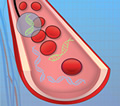 With the hope of reducing the risks associated with heart transplants, scientists have been working diligently to develop a new, less invasive method to test for rejection. June's Genome Advance of the Month features research published in the June 18 issue of Science Translational Medicine that demonstrates how sequencing and quantification of cfdDNA can determine whether or not a heart transplant will be rejected. Read more
May: Researchers probe inner workings of ancient human genomes, compare them to humans
 Recent advances in the study of ancient genomes and their patterns of decay now allow scientists to study parts of the epigenetic code in our ancient forbears so that we can compare it to patterns seen in present-day humans. May's Genome Advance of the Month describes a study in Science that reconstructed parts of the epigenetic code in both Neanderthals and Denisovans. The changes they discovered may have led to our modern forms, adding another page to the story of human evolution. Read more
April: The Y chromosome: beyond gender determination
 The Y chromosome is critical; it contains the genes necessary to override the biological default - female development - and create the male reproductive system. But research has shown that it is undergoing rapid evolutionary deterioration. April's Genome Advance of the Month highlights two studies that explore the evolutionary path of the Y chromosome, demonstrate its stability over the past 25 million years and suggest it may be here to stay. Read more
March: First designer yeast chromosome opens door to reengineering cells
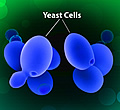 In the March Genome Advance of the Month, we learn how scientists have redesigned the species of yeast - Saccharomyces cerevisiae - that is instrumental in winemaking, baking and brewing. Researchers have created a blueprint for a sleeker sequence that can be rearranged on command. The end result is a synthetic chromosome called synIII, which functions correctly when inserted into a host yeast cell. Read more
February: Circulating tumor DNA: A new generation of cancer biomarkers
 February's Genome Advance of the Month describes a new study, published in the February 19, 2014, issue of Science Translational Medicine, which examines the potential of screening ctDNA for somatic mutations as a way to detect and follow the progression of a patient's tumor. More studies are needed, but this research demonstrates the immense potential of ctDNA to improve the early detection and treatment of cancer. Read more
January: The evolutionary mark of Y. pestis and the Black Death
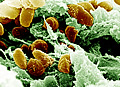 The course of human history has been shaped not only by human thoughts and actions, but also by our interactions with the surrounding environment. This includes the trillions of microscopic viruses and bacteria that beset us on a daily basis and which, prior to the advent of 20th century medicine, were a significant contributor to disease and mortality. January's Genome Advance features two studies that use genomics to explore the role of the Yersinia pestis (Y. pestis) bacterium in two historic plague pandemics and its evolutionary mark on the human genome. Read more
2013
December: Multi-tasking DNA: Dual-use codons in the human genome
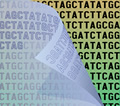 What are all the intricacies of how the human genome functions? The completion of the Human Genome Project (HGP) did not mean a complete understanding of what all those As, Cs, Ts and Gs meant in terms of our biology. December's Genome Advance of the Month highlights how researchers are trying to understand how our genome works and how tiny differences account for wide diversity among us. Read more
November: Pilot study eyes implications of ACMG stance on incidental findings
 November's Genome Advance of the Month highlights a pilot study that discusses reporting incidental findings from genome or exome sequencing to patients, the impact on the healthcare system, and the growing need for an adequate clearinghouse that healthcare providers can use in clinical care to identify harmful mutations. Read more
October: To sequence the exome or the genome: that is the question
 The October Genome Advance of the Month highlights a study, published in the October 1, 2013, issue of Proceedings for the National Academy of Sciences, which demonstrates the advantages of whole genome sequencing versus whole exome sequencing in the identification of autosomal recessive retinitis pigmentosa - an inherited disease that ultimately leads to blindness. Read more
August: The X and Y of human origins: Using Y chromosome sequencing data to explore human evolution
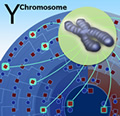 The August Genome Advance of the Month discusses two papers published in Science that reveal the ability to sequence the Y chromosome, a relatively recent development in genomics research. The male-specific portion of the Y chromosome is "a powerful tool with which to study human history" and determine when the most common male ancestors existed. Read more
July: Alzheimer's disease: Putting the pieces together with integrative genomics
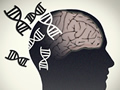 Five percent of those with Alzheimer's disease develop it between the ages of 30-65 as a result of any one of several rare, inherited, single-gene mutations. But the large majority of affected individuals develop a non-familial form after the age of 65, called late-onset Alzheimer's disease (LOAD). July's Genome Advance of the Month describes a study, published in the August 1, 2013, issue of Nature, which combined several genomic methods to identify important regulatory processes that link the common genetic variation APOE4 to the development of LOAD. Read more
June: Close encounters of the microbial kind
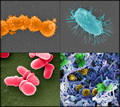 Some researchers believe that the human microbiome contributes more essential genes to ensure our survival than our own genomes. June's Genome Advance of the Month highlights a study that indicates the genomes of humans and microbes may be even more entwined than researchers previously thought. Read more
May: Child abuse leaves epigenetic marks
 Child abuse is a serious national and global problem, cutting across economic, racial and cultural lines. Yearly, more than 1.25 million children are abused or neglected in the United States, increasing to at least 40 million worldwide. New research, published in the May 14, 2013 Proceedings for the National Academy of Sciences, shows that PTSD patients abused as children have different patterns of DNA methylation and gene expression compared to those who were not. Read more
April: Digging into the past to uncover the cause of our cavities
 Today, cavities and gum disease are major health problems for childrend and adults. Yet archaeological evidence shows that cavities were rare in prehistoric humans or "cavemen." April's Genome Advance of the Month highlights a study published in Nature Genetics that examined how the evolution of the human diet might have altered our natural ability to fight off cavities. Read more
March: Grabbing hold of cells and tissues with zinc fingers
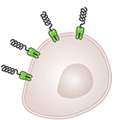 Zinc fingers are a potential tool in certain disease therapies because they could target defective copies of genes. This month's Genome Advance of the Month describes new uses for zinc fingers to improve researchers' ability to study the processes of single cells and the interactions between larger groups of cells. Read more
February: Editing the book of life with molecular scissors
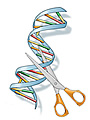 Life's code is written in A's (adenine), T's (thymine), C's (cytosine) and G's (guanine), the letters representing the four nucleotides within the deoxyribonucleic acid (DNA) that directs the action of a cell from its nucleus. Three billion of these letters paired in two strands spell out the human genome sequence, a code scientists study every day looking for the causes of disease. Thanks to ongoing research, we understand a lot about our DNA code. We can read each person's unique sequence and analyze what differences among people cause disease. But the ability to edit this book of life, and change a person's 'bad DNA' to 'good DNA' to treat disease, have proven difficult. Read more
January: Fitting the National Archives in your pocket
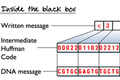 Nick Goldman, Ph.D., and Ewan Birney, Ph.D., researchers at the European Bioinformatics Institute in Hinxton, UK, wandered off on a tangent over a couple of beers, and instead of their usual mission of decoding genomic information, they decided to try the opposite problem: encoding information in DNA. The January Genome Advance of the Month features an article that began as a somewhat facetious idea for where to store big data. Read more
2012
December: The Power of Sequencing Single Cell Genomes
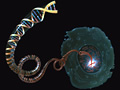 As the fundamental unit of life, each cell contains a complete copy of an organism's genome, which can undergo dynamic DNA mutations as the cell grows and divides. Studying the genomes of single cells is important for tracking global patterns of change across hundreds or thousands of individual cells, and will help to elucidate changes that occur in DNA over time. In this issue of Genome Advance, we focus on a novel technique that allows researchers to accurately sequence a single cell. Read more
November: Food for thought
 If "you are what you eat," we must better understand our food to keep ourselves healthy. After all, food that we consume is quite literally the building blocks for cells in the body. In November, researchers from around the world published studies in evaluating the potential of genomics to improve our diets. So, in the spirit of the holiday feasts, this Genome Advance of the Month focuses on articles that ask, "What's for dinner?" Read more
October: Do genes make us keep our fat jeans?
 Why can't we keep the weight off? In the Journal of Clinical Investigation, Viviana F. Bumaschny, M.D., Ph.D., from the University of Buenos Aires, and her collaborators, sought to answer that question. Changing a gene in mice, watching how much they ate and tracking their weight may have provided the answerRead more
September: Deciphering Function in the Human Genome
 The September Genome Advance of the Month explores the results of The ENCODE Project, as reported in 30 coordinated papers published in the September 6, 2012, issues of Nature, Genome Research and Genome Biology, along with additional ENCODE-funded papers in Science, Cell and Nucleic Acids Research. These journals highlight an initial analysis of 15 trillion bytes of raw data, generated from 1640 datasets that involve 147 cell types. Read more
August: Whole genome sequencing used to track infection's transmission path
 Using whole bacterial genome sequencing to trace the transmission of a hospital-acquired infection is this month's genome advance of the month, a potentially important breakthrough for hospital epidemiology. Read more
July: A Genetic Fountain of Youth?
 This month's Genome Advance of the Month compares newborns and centenarians to see if epigenetic changes, or alterations in the signals on the genes rather than the genes themselves, could be associated with aging. Is this the genetic Fountain of Youth? Read more
June: The Human Microbiome Project: Extending the definition of what constitutes a human
 The June Genome Advance of the Month discusses how Human Microbiome research is demonstrating that the microbiome - the normal bacteria that live in and on us - is a major genetic signal in humans, contributing key properties essential to human function. Learn how these bacteria are not invaders but beneficial colonizers who ultimately care for our health. Read more
May: Researchers view DNA through 3D lens
 This month's Genome Advance of the Month explores two studies - one uncovering a functional role of DNA in chronic pain and another manipulating DNA to form useful shapes - both advances that translate 2D data into 3D thinking that may improve our 4D lives.
Read more
April: Uncovering the Archeological Landscape of Cancer Genomes
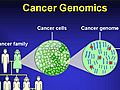 This month's Genome Advance of the Month focuses on three studies highlighting the extraordinary potential of genomics in illuminating the genetic and epigenetic changes that induce a normal cell to become cancerous, guiding the development of more effective diagnostics and treatments. Read more
March: Harnessing the full 'omics potential of personalized medicine
 This month's Genome Advance of the Month focuses on a study by Stanford University's Michael Snyder, Ph.D. which demonstrated an integrative personal omics profile (iPOP) approach to personalized medicine can identify disease risks from a genomic sequence and can monitor disease states through other molecular components. Read more
February: Discovering the Mutants Among Us
 Last year, the Sanger Institute boldly announced "We are all mutants" when a study was published showing healthy individuals carry around 60 new mutations from their parents. However, not all of these mutations are meaningful, as some may fall in regions of the genome without any currently known function. The next Genome Advance of the Month focuses on a particular class of mutations: "loss-of-function (LoF) variants". Read more
January: When cellular power plants go bad
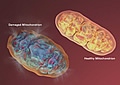 The January genome advance of the month focuses on the using DNA sequencing to diagnose severe and confounding mitochondrial diseases. As many as 4,000 children in the United States are born with mitochondrial dysfunction every year. Researchers have identified 77 genes known to cause mitochondrial diseases, but the culprit gene remains elusive. Read more
2011
December: Population genomics: Answering questions from the microscopic to the geographic
 The final Genome Advance of the Month for 2011 is actually a twofer, highlighting how population genomics can be used to answer questions in the diverse fields of vascular biology and anthropology. Read more
November: Massively parallel sequencing: Taking an all-at-once approach to genetic testing in cancer
 Thanks to the decrease in time and cost to analyze genes, scientists now are taking a broader approach by sequencing and analyzing multiple cancer-causing genes at once. Genome Advance of the Month details exactly such an approach, developed at the University of Washington School of Medicine in Seattle. Read more
October: Dissecting the cause of the Black Death
 At the end of October, a group of scientists from Canada, Germany, and the United States published a paper that marries the fields of genomics, public health and archeology. The October Genome Advance of the Month reports on how they were able to sequence the genome of the bacteria responsible for the Black Death, a plague that swept Europe from 1347-1351, killing between 30 and 50 percent of the population. Read more
September: Trauma regulates genes that predict survival
 This month's Genome Advance of the Month describes genomic pathways that influence survival after a life-threatening traumatic injury. Read more
August: Teaching Old Drugs New Tricks
 The August Genome Advance of the Month spotlights two studies by Stanford University's Atul Butte M.D., Ph.D., that repurposed old drugs as new treatments for lung cancer and inflammatory bowel disease. Read more
July: Proteus: Discovering the tiniest disease-causing flaws - and improving sequencing technologies
 Proteus, a sea-god from Greek mythology, could change his shape to improve his fortunes. People suffering the syndrome that bears his name are not so lucky and the cause of their plight has been as mysterious as the disease can be debilitating. NHGRI's Genome Advance of the Month for July, however, provides the answer. Read more
June: Transforming clinical care with whole genome sequencing
 The June issue of Science Translational Medicine reported on fraternal twins from California, a brother and sister, who suffer from two inherited genetic mutations that threatened to impede or even prematurely end their lives. June's Genome Advance of the Month features how whole genome sequencing at the Human Genome Sequencing Center at Baylor College of Medicine, Tex. - one of three facilities that comprise NHGRI's large-scale genome sequencing program - led to the discovery and treatment that transformed their lives. Read more
May: Protecting the food supply and human health with genomics
 The May Genome Advance of the Month is torn from the headlines about how the genomics revolution is protecting the public health - especially when it comes to food. A new strain of E. coli has caused an epidemic of food poisoning in Germany. As of June 7, 2011, more than 2,500 people have been sickened, 23 people have died and public health officials still do not know the source of the food contamination. Read more
April: Using DNA Sequencing to Detect Early Organ Transplant Rejection
 For people who have received an organ transplant - a heart or a kidney, for example - detecting rejection early can significantly improve their long-term health, even survival. But until now, doctors have had a hard time monitoring the health of transplanted organs; detecting rejection has required invasive - and risky biopsies. A novel application of genome-sequencing technology
developed by a group of researchers at Stanford University may soon solve that problem.
March: Sequencing Insights Into Multiple Myeloma
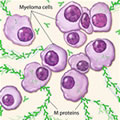
For the March Genome Advance of the Month, NHGRI has selected a study that shows how the power of sequencing technology has generated an important discovery, even when studying a relatively small number of patients, in this case only 38. The study, published in the March 24, 2011 issue of the journal Nature, describes how a nationwide team of researchers organized by Todd R. Golub, M.D., director of the cancer program at The Eli and Edythe L. Broad Institute in Cambridge, Mass., made several new discoveries about the genetic causes of multiple myeloma. Read more
February: UDP Discovers a new disease
 An awful lot of cool science happens here at the National Institutes of Health (NIH), but it's not every month that someone discovers a new disease. In February, the Undiagnosed Diseases Program (UDP) reported its first new diagnosis in the New England Journal of Medicine. Read more
January: The Biology of Living Longer
 The ability to reverse or halt the aging process has long held allure, from early human mythology to Oscar Wilde (The Picture of Dorian Gray) through to Indiana Jones (Indiana Jones and the Last Crusade). It's also been the subject of considerable scientific study. In January 2011, a paper published in the journal Nature has shown, for the first time, a possible biological mechanism where halting the aging process might be possible. Read more