![]() |
|
|
|
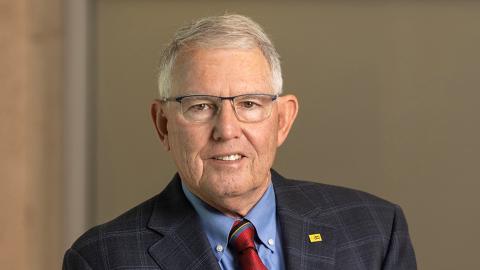
Genomics in Action: Donald W. Hadley, M.S., C.G.C.Getting Ahead of the Curve on Genetic TestsBy Jim Swyers, NHGRI Staff Writer
About half of the family members chose to undergo genetic testing and participate in the education and counseling sessions. The more first degree relatives a person had that experienced cancer, the more likely the person was to participate and pursue genetic testing. Other motivating factors for undergoing genetic testing were a desire to learn about their children's risks and an interest in knowing whether they needed to pursue cancer screening earlier and at more frequent intervals than the general population. The researchers also found a significant amount of apprehension about genetic testing. The main concern was the potential for genetic discrimination by insurance companies, followed by concerns about the emotional aspects associated with the test outcome and the emotional effects it would have on other family members. These findings illustrate how the prospect of facing multiple cancer risks can challenge individuals on personal, family and societal levels, making the genetic counseling process quite complicated. Research, therefore, cannot be focused only on those testing positive or negative for a mutation. "We are equally as interested in potentially at-risk individuals who choose not to undergo genetic testing as those who do. Information about the former could contribute important insight into concerns, attitudes and outcomes for those who are uninterested, afraid or untrusting of this technology," Mr. Hadley said. Past research has not been successful in determining why some at-risk individuals choose to undergo genetic testing while others do not. According to Mr. Hadley, this is because genetic counseling researchers traditionally have relied on the family member with the initial diagnosis as the point of contact for the entire family. However, little is known about how effective these individuals are at communicating the necessary yet complicated information to their relatives. Likewise, there is little data on why some people decide not to share information about their genetic risk to other potentially at-risk relatives and what factors influence such decisions. "We believe it is extremely important to understand how families function, communicate, and act upon genetic information," said Mr. Hadley. Equally important is understanding what people do once they know their genetic risk. In a study designed to provide some insights into whether genetic information affects health screening practices, Mr. Hadley and colleagues recently analyzed the use of colon cancer screening services by those with and without HNPCC mutations within families known to carry a HNPCC mutation. In a paper published in the January 1, 2004, issue of the Journal of Clinical Oncology, the NHGRI group was encouraged to find that the use of colon cancer screening services decreased significantly and appropriately among those who tested negative for their family's HNPCC mutation, while it increased among those testing positive for the family mutation. Further research efforts are necessary to assess how women within these families fair in pursuing and obtaining screening for endometrial and ovarian cancers in addition to colon cancer. Although the NHGRI group is making significant strides in closing the knowledge gap between genetic testing technology and genetic counseling, Mr. Hadley cautions that recent developments are threatening to widen that gap again. One particular challenge is a new type of assay that tests for hundreds of gene mutations at one time. Currently, genetic counselors spend an hour or more with each patient and their family discussing the implications of a mutation in a single gene. Counseling to discuss the results of a multi-gene test is likely to require even more intensive interactions. "We are only beginning to scratch the surface of how to handle these more complicated situations," said Mr. Hadley. "Our ultimate goal is to be able to develop genetic counseling interventions for a variety of contexts that can then be used in a variety of clinical environments. To do that, however, we really need to get ahead of the curve, and soon."
Last Reviewed: July 7, 2008 |
|
|||||||||||||||||||
|
|
|