

The Genomics Landscape
The Genomics Landscape was a monthly newsletter from NHGRI Director Eric Green, M.D., Ph.D., that featured activities and accomplishments from the institute and the field of genomics from 2010 to 2025.

2024
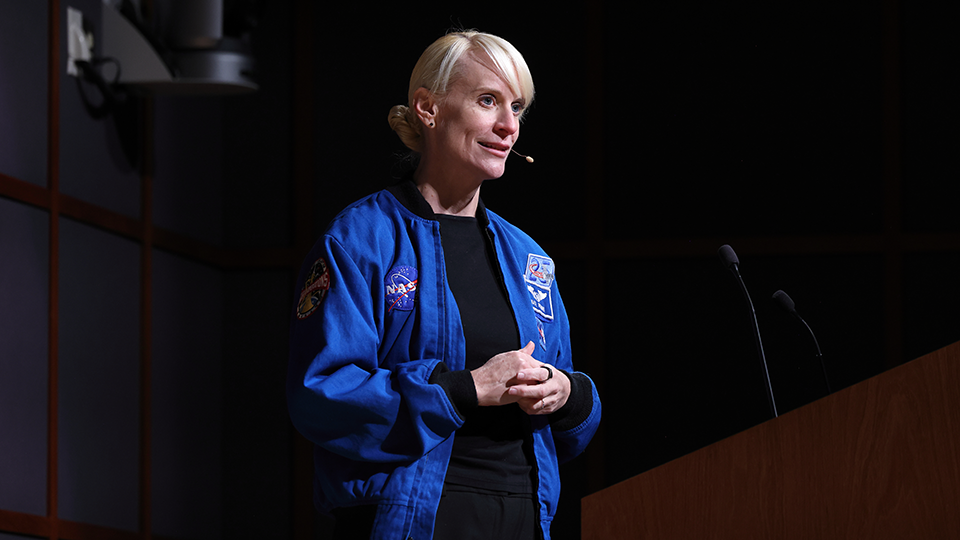
December 5, 2024
NASA astronaut Kate Rubins featured at 2024 NHGRI Symposium

November 6, 2024
History of Genomics Program launches virtual exhibits

October 3, 2024
NHGRI appoints James Thomas as new NIH Intramural Sequencing Center Director

September 5, 2024
NHGRI welcomes Robert Rivers as new TiDHE Office Director

August 8, 2024
NHGRI welcomes Marcus G. Hodges as new Intramural Training Office Director
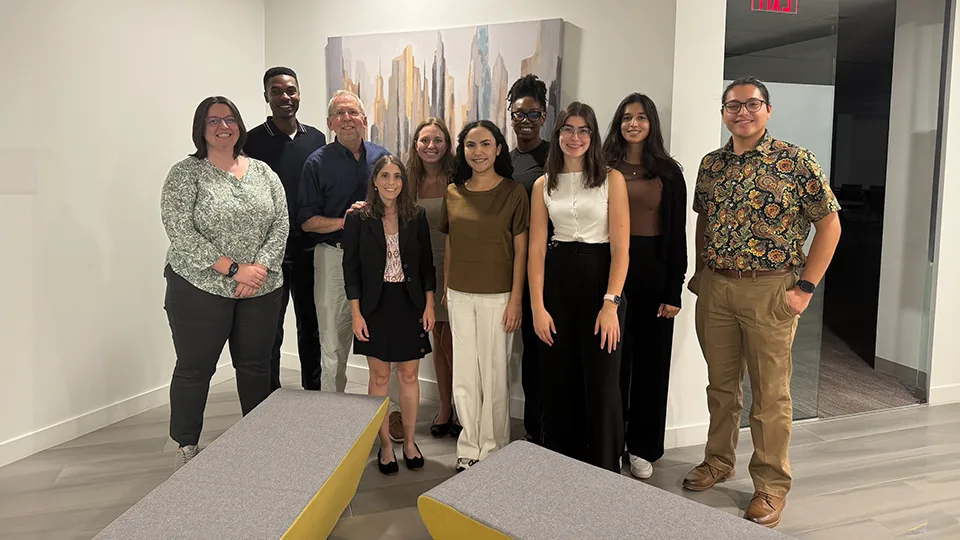
July 11, 2024
Inaugural class of ASHG-NHGRI Genomics and Public Service Fellows arrives

June 6, 2024
NHGRI awards second annual Bettie J. Graham Leadership Awards for excellence in DEIA

May 2, 2024
Annual meeting supports NHGRI trainees in their research and careers

April 4, 2024
NHGRI Office of Genomic Data Science hits its stride

March 7, 2024
NHGRI conducts evaluation of the Centers of Excellence in Genomic Science Program

February 8, 2024
NHGRI revamps state-level legislative database

January 11, 2024
Adam Phillippy appointed founding director of new Center for Genomics and Data Science Research
2023

December 7, 2023
Bettie Graham retires after more than 50 years of federal service
November 2, 2023
NHGRI Intramural Research Program celebrates three decades of remarkable science

October 5, 2023
CSER consortium ends after twelve years of groundbreaking research

September 7, 2023
Human Genome Project leaders release video of virtual reunion

August 3, 2023
Jennifer Troyer appointed incoming director of the NHGRI Division of Extramural Operations

July 6, 2023
NHGRI’s Intramural Research Program enters new phase

June 1, 2023
Scientists release human “pangenome” reference

May 4, 2023
National Academies issue report on use of population descriptors in genetics and genomics research
April 6, 2023
Extravaganza of genomics anniversaries being celebrated in April 2023

March 2, 2023
NHGRI recognizes leaders in diversity, equity, inclusion, and accessibility with new award

February 2, 2023
NIH data management policy commits to making research results available

January 5, 2023
Artificial intelligence and machine learning becoming pervasive at NHGRI and in genomics
2022

January - December 2022
Genomic Data Sharing Spotlight
December 8, 2022
Genome: Unlocking Life’s Code exhibition takes its final bow

November 3, 2022
H3Africa program comes to an end, leaving an important genomics legacy

October 6, 2022
25th anniversary of the NIH Intramural Sequencing Center (NISC)

September 1, 2022
NHGRI History of Genomics Program celebrates its 10th Anniversary

August 4, 2022
Global Biodata Coalition coordinates worldwide funding of data resources

July 7, 2022
NHGRI’s Technology Transfer Office always keeps the institute’s best interests in mind
June 2, 2022
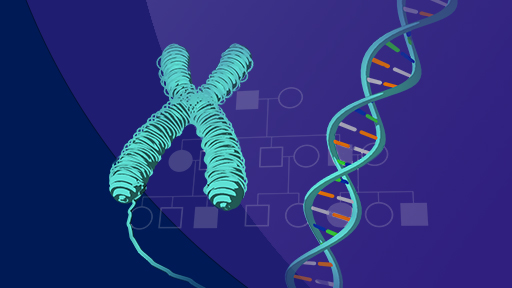
NHGRI releases new and improved Talking Glossary of Genomic and Genetic Terms

May 5, 2022
NHGRI celebrates Bettie Graham’s 50 years of federal service

April 7, 2022
The human genome sequence is now complete
March 3, 2022
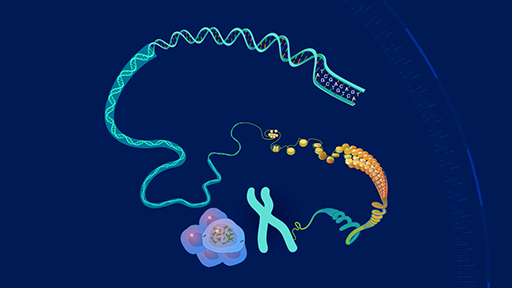
NHGRI publishes new fact sheets on genomics

February 3, 2022
NHGRI symposium confronts difficult pasts of eugenics and scientific racism
January 13, 2022
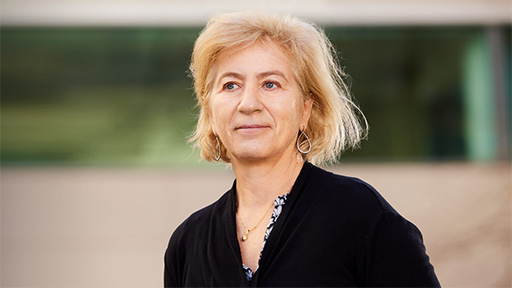
Valentina Di Francesco appointed founding director of NHGRI Office of Genomic Data Science
2021

December 2, 2021
Genome: Unlocking Life’s Code exhibition returns to Washington, D.C.

November 4, 2021
NHGRI researchers emphasize the need for diversity in genomics

October 7, 2021
Charles Rotimi selected as next NHGRI Scientific Director

September 9, 2021
NHGRI’s social media activities bring genomics closer to the public

August 5, 2021
NHGRI extramural programs evolve in response to the dynamic nature of genomics

July 8, 2021
Completed LINCS program generated dataset to help understand how cells function

June 3, 2021
Vence Bonham to be appointed acting NHGRI deputy director
May 6, 2021
Biden administration features strong ties to NIH, genomics, and biomedical research

April 1, 2021
NIH UNITE program aims to end structural racism in biomedical research

March 4, 2021
NHGRI medical genetics training programs provide an array of education opportunities

February 12, 2021
20-year anniversary of publications reporting the draft human genome sequence
January 7, 2021
NHGRI proposes an action agenda for enhancing the diversity of the genomics workforce
2020

The Genomics Landscape
A wealth of ELSI information at your fingertips: The ELSIhub
The Genomics Landscape
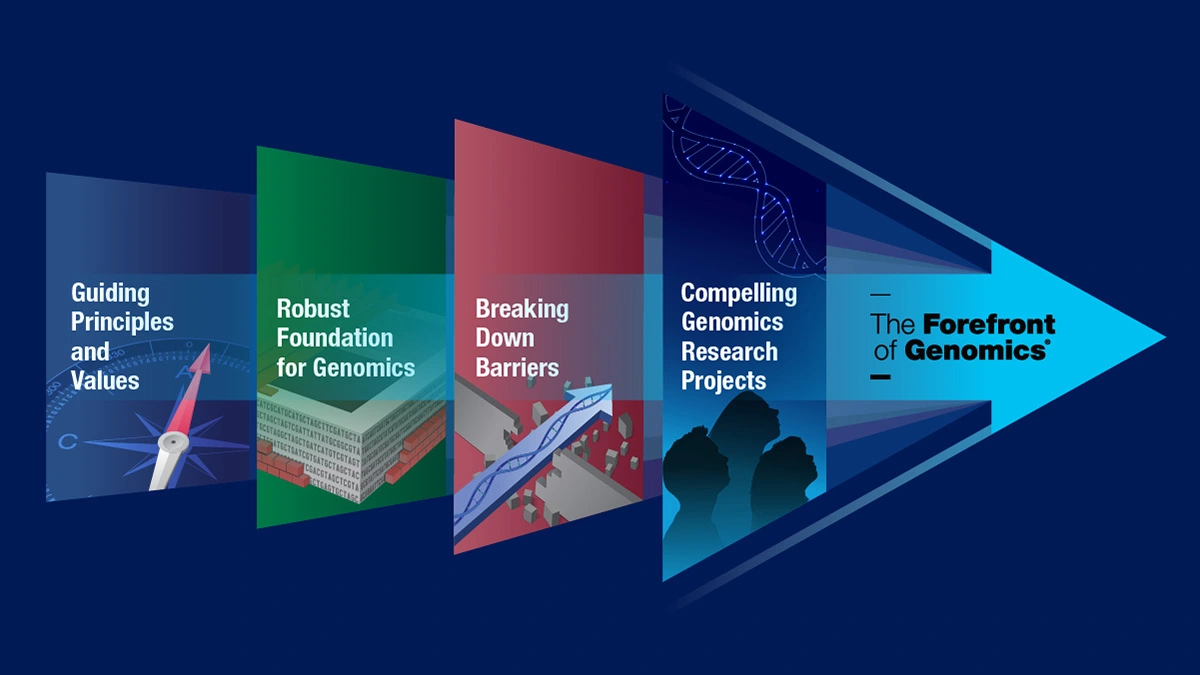
NHGRI publishes new strategic vision for human genomics
The Genomics Landscape
NHGRI commemorates 30th anniversary of Human Genome Project launch

The Genomics Landscape
NHGRI program to explore the impact of genomic variation on genome function

The Genomics Landscape
NHGRI completes phase 3 of ENCODE project

The Genomics Landscape
20 years later, genomicists remember the draft human genome sequence

The Genomics Landscape
Enhancing the diversity of the genomics workforce

The Genomics Landscape
NIH ramps up research on COVID-19

The Genomics Landscape
Genomics2020: NHGRI strategic planning process enters the homestretch

The Genomics Landscape
Chris Gunter joins NHGRI as Senior Advisor for Genomics Engagement
The Genomics Landscape
New NHGRI intramural precision health research program
The Genomics Landscape
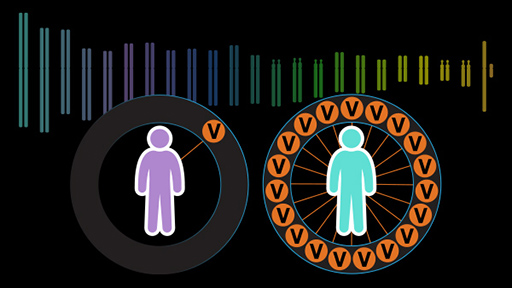
New NHGRI public information resource on polygenic risk scores
2019
The Genomics Landscape
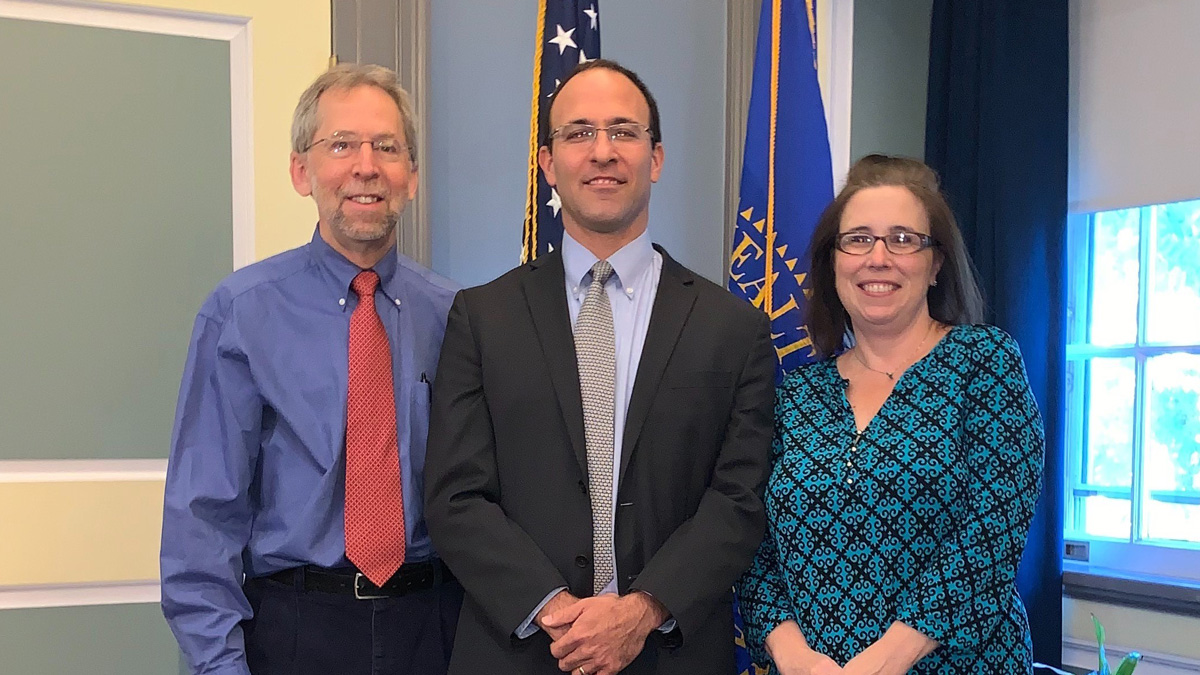
Ben Solomon joins NHGRI as Clinical Director
The Genomics Landscape
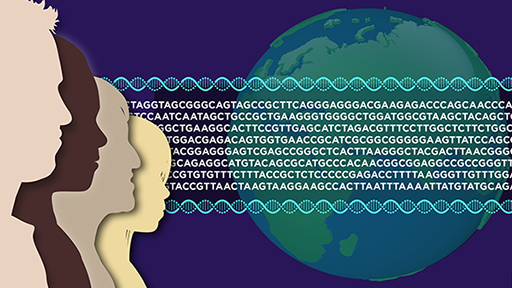
ICDA aims to accelerate understanding of common diseases
The Genomics Landscape
Enhancing and maintaining human genome reference sequence

The Genomics Landscape
ASHG – A Vision for the Future
The Genomics Landscape
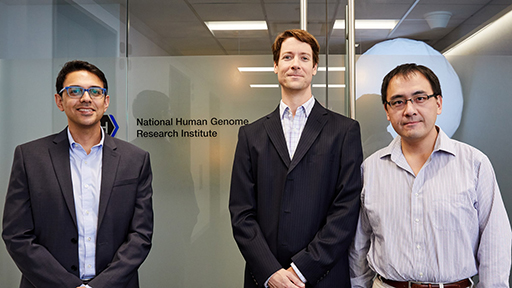
PECASE Award Given to NHGRI-Funded Researchers

The Genomics Landscape
Nearing Completion of the NSIGHT Program
The Genomics Landscape
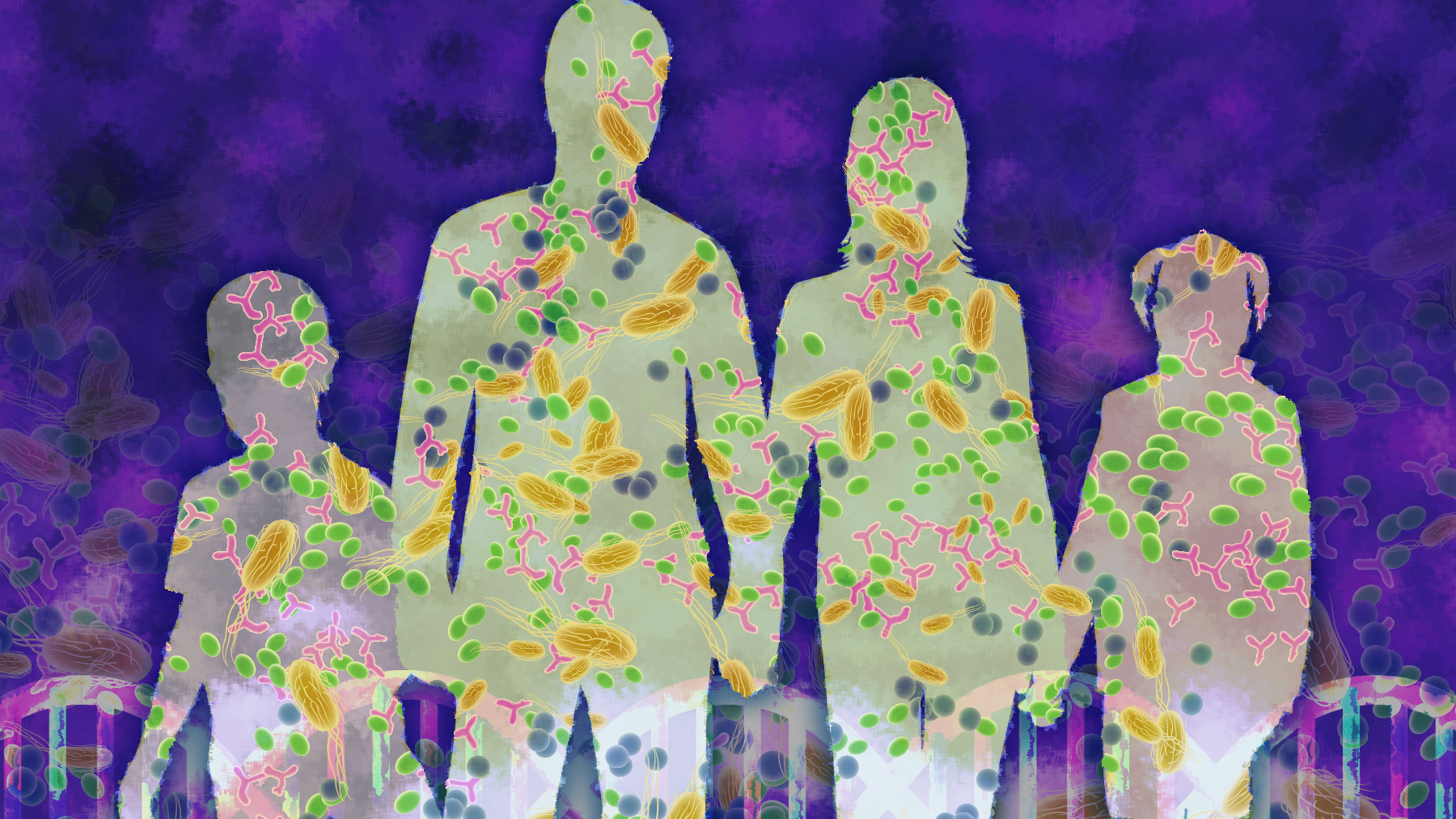
The Human Microbiome Project Reaches Completion

The Genomics Landscape
National DNA Day 2019: Another Year to Celebrate Genomes

The Genomics Landscape
NHGRI Redesigns Genome.gov

The Genomics Landscape
First FDA-Recognized Public Genetic Variant Database: ClinGen

The Genomics Landscape
Bill Gahl Steps Down as NHGRI Clinical Director to Pursue Research

The Genomics Landscape
Mourning the Loss of an NIH Giant, NIAMS Director Steve Katz
2018

The Genomics Landscape
‘Genomics2020’: Taking Stock

The Genomics Landscape
Celebrating the First Quarter Century of the NHGRI Intramural Research Program

The Genomics Landscape
Dr. Dan Kastner Honored as Federal Employee of the Year
The Genomics Landscape
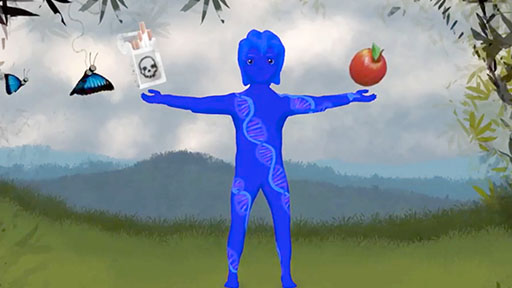
New Educational Videos Use Poetry, Dance and Animation to Teach Genomics

The Genomics Landscape
New NHGRI Grant Program to Support Innovative Genomic Scientists

The Genomics Landscape
NIH Undiagnosed Disease Program Celebrates 10th Anniversary
The Genomics Landscape
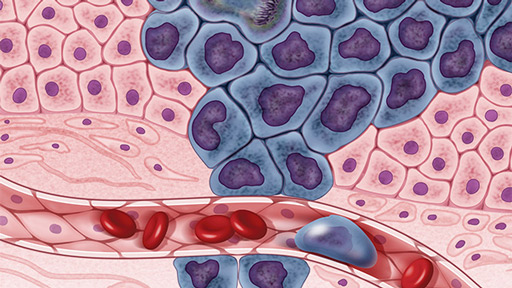
The Cancer Genome Atlas: Charting the Course for Cancer Research

The Genomics Landscape
Human Genome Project Receives Thai 2017 Prince Mahidol Award

The Genomics Landscape
National DNA Day and the '15 for 15' Celebration

The Genomics Landscape
Developing a 2020 Vision for Genomics: NHGRI Launches New Round of Strategic Planning

The Genomics Landscape
New Director of NHGRI's Division of Genome Sciences: Carolyn Hutter, Ph.D.
The Genomics Landscape
The NIH Intramural Sequencing Center
Last updated: January 8, 2025